
Integrated Marketing Campaigns Are Winning in 2025
Businesses relying only on digital marketing are discovering an uncomfortable truth in 2025: attention is fragmented, competition is expensive, and customer trust is harder to earn than ever.
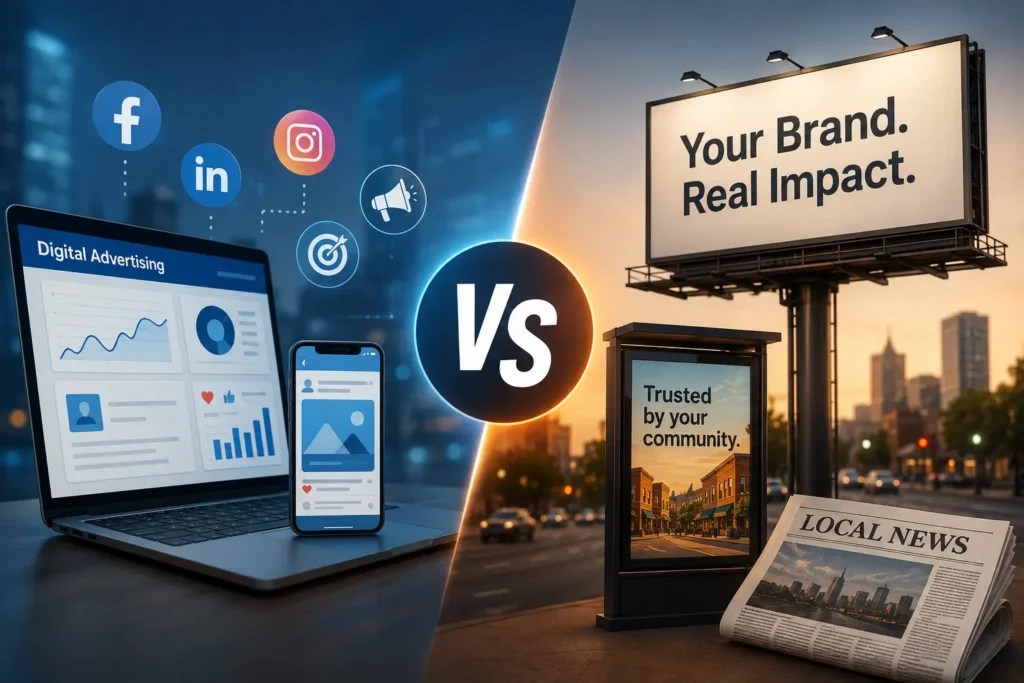
Integrated marketing campaigns solve this problem by combining traditional advertising channels — TV, radio, print, outdoor media — with digital platforms like social media, SEO, PPC, and email marketing.
The result is unified brand messaging across every customer touchpoint.
Companies using integrated marketing strategies are seeing up to 300% better ROI compared to digital-only campaigns, particularly among:
- Mid-sized retailers
- Regional brands
- Government organizations
- Community-focused businesses
Digital marketing may win clicks, but integrated marketing wins memory, trust, and long-term growth.
What Are Integrated Marketing Campaigns?
Integrated marketing campaigns are coordinated marketing strategies that deliver a consistent message across multiple channels — both online and offline.
Instead of treating marketing channels separately, integrated campaigns ensure every platform supports the same business goal.
Common Channels Used in Integrated Campaigns
- Television advertising
- Radio campaigns
- Billboards and outdoor media
- Print advertising
- Social media marketing
- SEO and content marketing
- PPC advertising
- Email campaigns
- Event marketing
The objective is simple:
Create a seamless customer experience wherever people encounter your brand.
Why Digital-Only Marketing Falls Short in 2025
Digital advertising costs continue rising while consumer trust declines.
Businesses investing only in digital channels often face:
- Rising PPC costs
- Lower organic reach
- Ad fatigue
- Privacy restrictions
- Short attention spans
- Weak brand recall
A customer may click an ad today and forget your brand tomorrow.
Traditional media changes that dynamic.
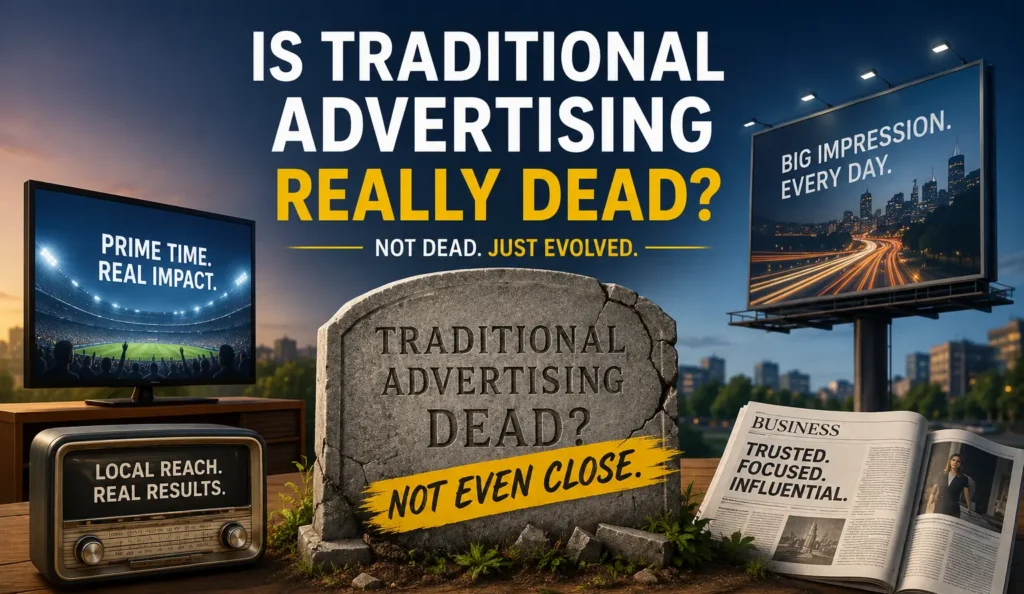
TV, radio, and outdoor advertising reinforce familiarity in ways digital impressions alone cannot achieve.
People trust brands they repeatedly recognize across multiple environments.
And trust, inconveniently enough, still matters. Even in the age of algorithms.
The Power of Traditional + Digital Integration
The strongest marketing campaigns don’t choose between traditional and digital marketing.
They use both.
TV and Radio Drive Digital Engagement
Consumers exposed to TV or radio campaigns are significantly more likely to:
- Search for your business online
- Engage with social media ads
- Click branded search results
- Remember your message later
Traditional awareness fuels digital conversion.
Print and Outdoor Advertising Increase Brand Searches
Billboards, direct mail, and print advertising continue to influence online behavior.
Businesses often see:
- Increased branded Google searches
- Higher website traffic
- Improved click-through rates
- Better conversion rates on digital campaigns
Offline visibility strengthens online performance.
Cross-Channel Attribution Reveals the Full Customer Journey
One of the biggest mistakes in modern marketing is relying entirely on last-click attribution.
Integrated campaigns allow businesses to track:
- Awareness touchpoints
- Engagement channels
- Conversion paths
- Multi-channel influence
Customers rarely convert after seeing a single ad.
Integrated marketing recognizes reality instead of pretending every sale came from one Facebook click.
Integrated Marketing Success for Mid-Sized Retailers
Mid-sized retailers benefit enormously from integrated strategies because they compete against both:
- National brands with massive budgets
- Small local businesses with strong community ties
Integrated campaigns help retailers:
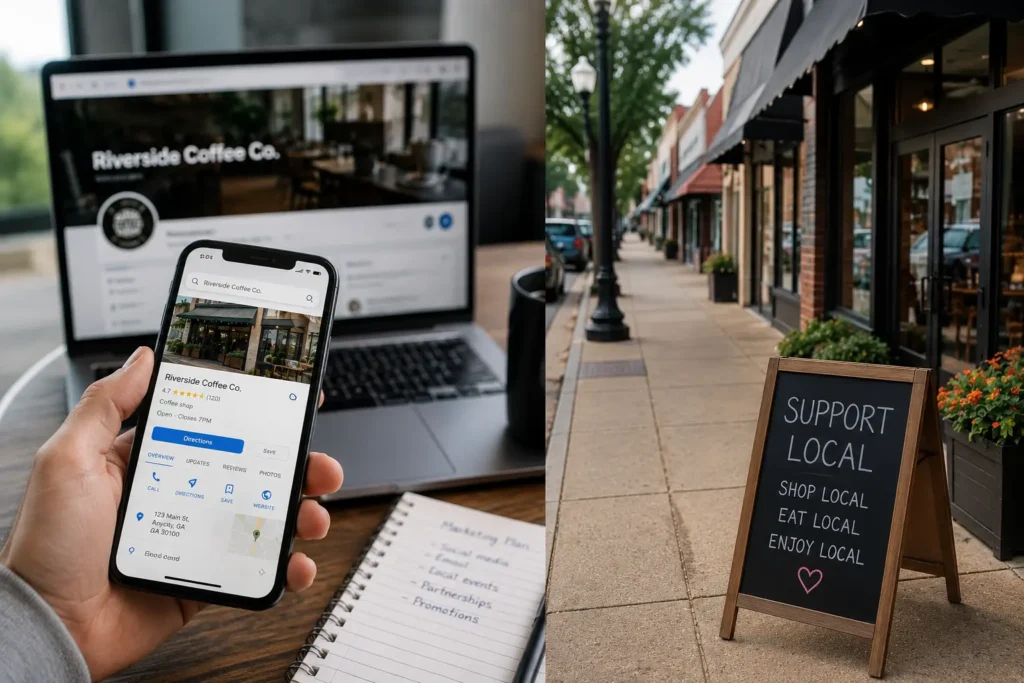
- Build local trust
- Improve brand recognition
- Increase foot traffic
- Support online sales
- Strengthen customer loyalty
For retailers, visibility across multiple channels creates credibility.
And credibility creates revenue.
Why Government Agencies Need Integrated Marketing
Government organizations and public agencies face unique communication challenges:
- Diverse audiences
- Public trust concerns
- Accessibility requirements
- Community outreach obligations
Integrated campaigns ensure messages reach audiences through:
- Traditional local media
- Community-focused outreach
- Digital platforms
- Educational campaigns
For public communication, relying solely on digital marketing leaves large audience segments behind.
How to Build an Integrated Marketing Strategy
Successful integrated marketing campaigns require alignment, not chaos.
Step 1: Define a Unified Brand Message
Your message should remain consistent across every platform.
Step 2: Combine Awareness and Conversion Channels
Use traditional media for awareness and digital channels for measurable actions.
Step 3: Coordinate Campaign Timing
TV, social media, PPC, email, and outdoor advertising should support each other simultaneously.
Step 4: Track Cross-Channel Performance
Measure the full customer journey, not just isolated metrics.
Step 5: Optimize Based on Real Customer Behavior
The best integrated campaigns evolve continuously using both online and offline insights.